Climate and Society Futures Imagined
Insights from TPEX consultancy for decision makers.
Insights from TPEX consultancy for decision makers.

Written SH on 2025-05-13.
In future . Tagged climate society longevity
Society’s relationship with the climate and environment is constantly evolving, shaped by necessity, technology, and cultural values. Historically, humans have adapted to their surroundings, altering landscapes to suit their needs, from agriculture to urban expansion. But as environmental pressures grow, this relationship may shift from one of control to one of coexistence. Future societies may place greater emphasis on resilience—designing cities, economies, and lifestyles to work with, rather than against, natural systems. This could mean new forms of infrastructure, different patterns of consumption, or even a rethinking of personal and collective responsibility for environmental stewardship.
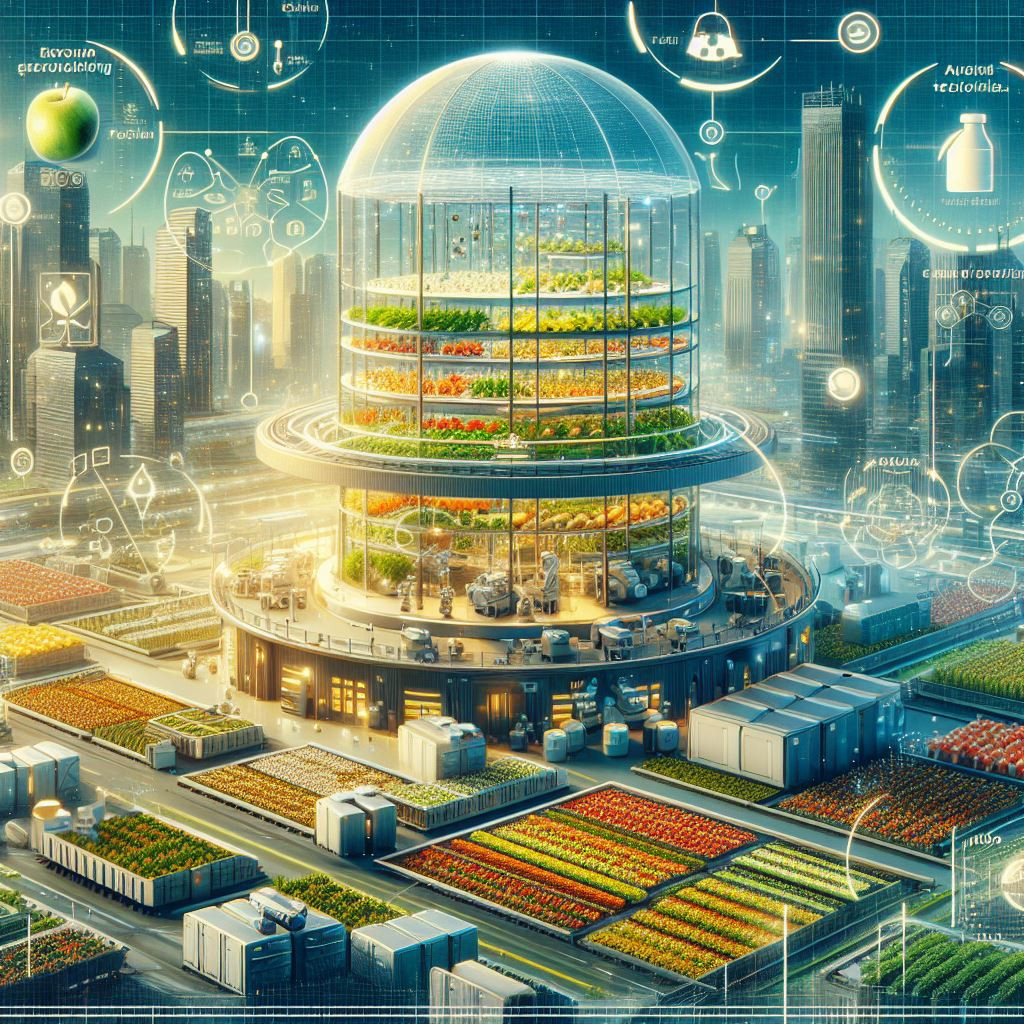
How might our cities evolve if we committed to making every new skyscraper a living, breathing part of the urban forest?TPEX, 2025-01-22. Vertical Forest Cities. online.
As climate conditions change, so too might social structures and governance. Regions that were once stable could become uninhabitable, leading to shifts in population and power. Governments might take a more active role in managing resources, enforcing stricter environmental policies, or even reorganizing economic priorities to reflect long-term ecological health. At the same time, communities could develop new ways of living, driven by both innovation and necessity. How people work, travel, and even define prosperity could all be reimagined in response to environmental constraints and opportunities.
Perhaps most significantly, changing environmental realities could reshape human identity itself. Cultural values often emerge from the landscapes people inhabit—desert dwellers, coastal communities, and forest societies all develop distinct ways of thinking and living. If climate change forces large-scale migration or new ways of inhabiting the planet, will our sense of belonging, tradition, and progress also shift? Future societies may not just have a different relationship with nature but may see themselves in an entirely new way, shaped by the challenges and possibilities of their environment.
Wednesday 17 December 2025

Wednesday 19 November 2025

Wednesday 15 October 2025
Wednesday 17 September 2025

Wednesday 20 August 2025

Wednesday 16 July 2025

Wednesday 18 June 2025

Wednesday 21 May 2025
Wednesday 16 April 2025

Wednesday 19 March 2025
Wednesday 19 February 2025

Wednesday 22 January 2025
Futures thinking serves as a visionary lens rather than a roadmap. It doesn't dictate the future but fuels imaginative exploration and conceptualization of potential scenarios. It's like a canvas where creativity meets strategy, allowing us to envisage diverse futures, stimulating innovative ideas, and fostering preparedness for what might unfold.
TPEX thinks about the future.